


|

 Send Inquiry
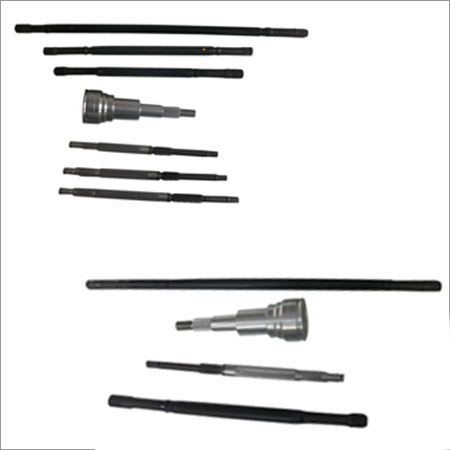
Spline Rolled Components
Spline Rolled Components Specification
- Method
- Cold forming (spline rolling)
- Accuracy
- High precision, within ISO 6 tolerance class
- Machine Type
- Spline Rolling Machine, CNC Lathe
- Size
- Diameter: 10 mm to 100 mm; Length: 50 mm to 800 mm
- Weight
- 0.5 kg to 9 kg
- Load Capacity
- Up to 3500 Nm
- Cutting Speed
- Up to 100 m/min
- Spindle Speed
- Up to 4000 rpm
- Coating
- Phosphate, Zinc plating available
- Type
- Spline Rolled Component
- Material
- Alloy steel, Stainless steel
- CNC
- Yes
- Tolerance
- Up to 0.02 mm
- Surface
- Polished, smooth finish
- Use
- Power transmission and automotive applications
- Application
- Gearboxes, steering mechanisms, industrial machinery
- Usage & Applications
- Automobile transmission shafts, agricultural equipment, industrial drive systems
Spline Rolled Components Trade Information
- Minimum Order Quantity
- 100 Pieces
- Payment Terms
- Cash Against Delivery (CAD)
- Supply Ability
- 500000 Pieces Per Week
- Sample Available
- Yes
- Sample Policy
- Free samples are available
- Main Domestic Market
- All India
About Spline Rolled Components
Spline Rolled Components
Holding years of experience and knowledge in this industry, our company has been able to mark its strong presence in the market as one of the most excellent manufacturers and suppliers of Spline Rolled Components. These rolled components are majorly used automobile industries. Made as per the rules and regulation of the industry, our offered Spline Rolled Components are resistant to corrosion and excellent in durability.
Further Details:
Manufacturing various automobile steering & transmission components like
- Steering Spindles
- Gear Shifting Levers
Precision and Compatibility
Spline rolled components are crafted to offer exceptional accuracy, matching ISO 6 tolerance class standards. They are fully compatible with CNC machining, permitting fast spindle speeds up to 4000 rpm and cutting speeds of 100 m/min for efficient production and consistent quality.
Versatile Applications and Robust Materials
These components are ideal for power transmission in sectors such as automotive, agricultural, and industrial manufacturing. Manufactured from high-grade alloy or stainless steel, they suit rigorous heavy-duty use and various drive systems, ensuring reliable performance in demanding environments.
Superior Surface Finishes and Protective Coatings
The cold forming process and precise machining create polished, smooth finishes to minimize friction and wear. Protective phosphate and zinc plating options extend the lifespan and corrosion resistance, making them suitable for challenging operational conditions.
FAQs of Spline Rolled Components:
Q: How are these spline rolled components manufactured for high precision?
A: Spline rolled components are produced using cold forming (spline rolling) alongside CNC machining. This method ensures strict precision, with tolerances reaching up to 0.02 mm and high consistency across multiple batches.Q: What materials are used, and what benefits do they provide?
A: The components utilize alloy steel or stainless steel, which deliver robust strength, durability, and resistance to wear. These qualities ensure reliable operation in power transmission applications, even under heavy loads.Q: When should I use phosphate or zinc plating on spline rolled components?
A: Phosphate coating is ideal for enhancing wear resistance, while zinc plating provides superior corrosion protection. Choose the suitable coating based on the operating environment and required durability of the component.Q: Where are spline rolled components typically applied?
A: These components find application in automobile transmission shafts, gearboxes, steering mechanisms, agricultural equipment, and various industrial drive systems that demand precise and durable power transmission solutions.Q: What is the size and load capacity range for these components?
A: Spline rolled components are available with diameters from 10 mm to 100 mm, lengths from 50 mm to 800 mm, weights from 0.5 kg to 9 kg, and can withstand load capacities up to 3500 Nm.Q: How does using CNC machining benefit spline rolled components?
A: CNC machining enables highly accurate, repeatable production with quick changeovers and high spindle speeds. This results in components that consistently meet strict tolerance and surface quality requirements.Q: What process is involved in creating the smooth, polished finish?
A: Cold forming (spline rolling) followed by precision CNC machining ensures the surface of each component is polished and smooth, reducing friction and improving operational efficiency in rotating assemblies.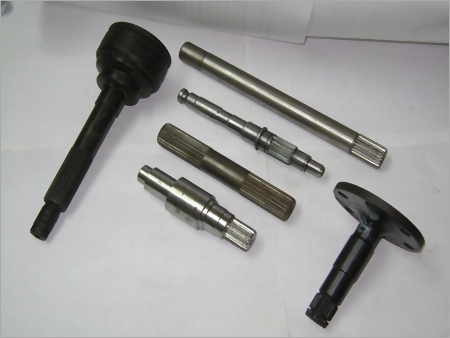

Price:
- 50
- 100
- 200
- 250
- 500
- 1000+

More Products in CNC Turned Components Category
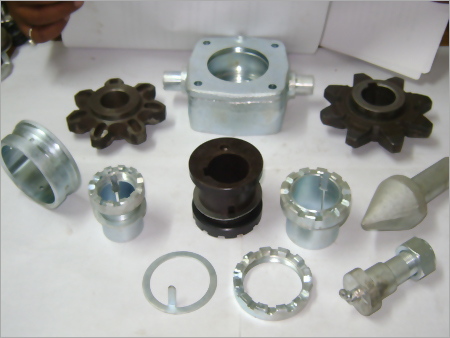
Agricultural Export Components
Minimum Order Quantity : 100 Pieces
Surface : Other , Polished Finish
Material : High Grade Alloy Steel
Size : According to clients requirement
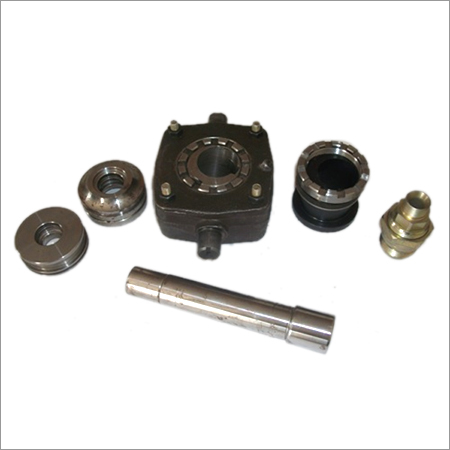
CNC Machined Components
Minimum Order Quantity : 100 Pieces
Surface : Other , Anodized / Polished / Powder Coated
Material : Aluminum, Stainless Steel, Brass, Mild Steel, Titanium
Application : Automotive, Aerospace, Electronics, Medical Devices
Size : As per customer specification, micro to large size

Rebar Coupler
Surface : Other , Smooth
Material : Steel
Application : Connecting Rebars in Construction
Size : 36mm



Contact Details
GST : 06AIYPA6165C2Z7
 Send Inquiry
 |
LIGHT PRECISION INC.
All Rights Reserved.(Terms of Use) Developed and Managed by Infocom Network Private Limited. |
